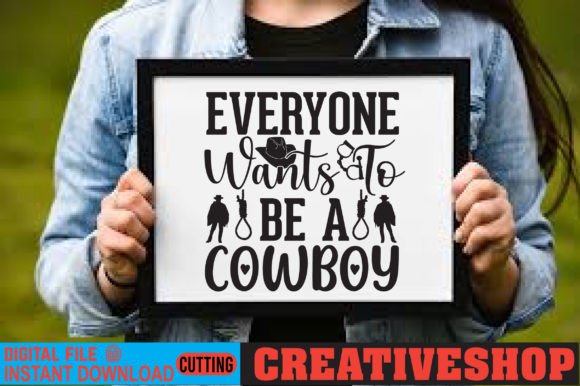
Everyone Wants to Be Cowboy: A Designer’s Review
As a designer who spends more time staring at stitch density charts than sleeping, I approach every new download with a mix of optimism and skepticism. The market is flooded with generic clip art masquerading as embroidery files, so when I pulled Everyone Wants to Be Cowboy from the pile, I didn’t just look at it—I stress-tested it in my mind before ever touching a needle. This isn’t just another novelty phrase; it is a graphic asset that demands careful consideration regarding its application, fabric choice, and end-user appeal.
The title itself, Everyone Wants to Be Cowboy, carries a specific cultural weight. It evokes imagery of rugged individualism, western aesthetics, and a touch of playful nostalgia. For the modern crafter or small business owner, this theme bridges the gap between traditional Americana and contemporary streetwear trends. But does the design hold up under the microscope of machine embroidery? Let’s break down the practical realities of using this file for real-world projects.
First Impressions and Visual Personality
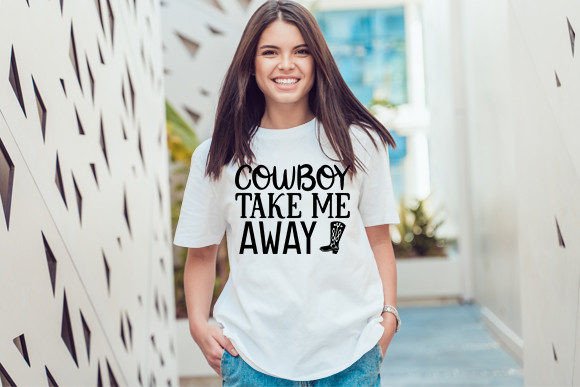
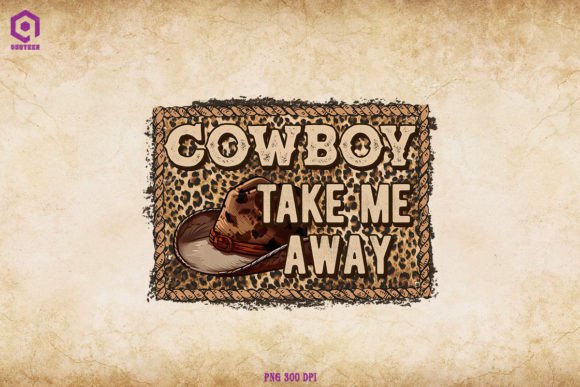
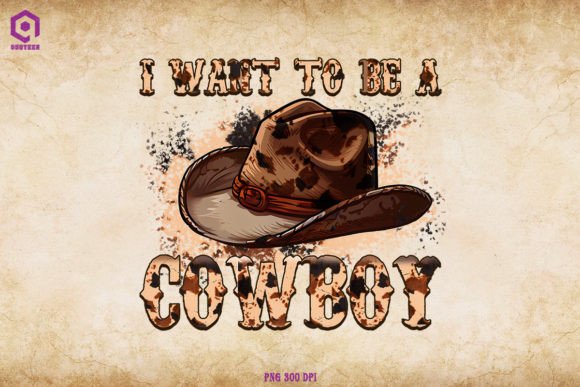
When you first open the file, the layout speaks to a bold, declarative style. The typography appears to be the hero here, likely relying on strong letterforms rather than intricate illustrative details. In the world of machine embroidery design, text-based designs are risky. They require flawless execution because any wobble in the stitching becomes immediately apparent. The mood of Everyone Wants to Be Cowboy is confident and slightly irreverent. It feels like something you would see on a vintage band tee or a high-end boutique sweatshirt.
The visual personality suggests a design that works best when given space. It is not a delicate floral arrangement; it is a statement piece. This means it naturally belongs on substantial garments where the fabric can support the structure of the letters without pucker or distortion. For designers looking to create custom apparel that stands out, this file offers a strong foundation, provided the underlying vector graphics are clean and scalable.
Real-World Application: From Digital File to Finished Product
I recently considered using Everyone Wants to Be Cowboy for a custom order—a heavy-weight cotton canvas tote bag destined for a local craft fair vendor. The idea was to pair the western theme with durable materials. However, as I began to plan the hoop placement, I realized that while a tote bag is a classic Etsy seller staple, it might not be the ideal showcase for this specific graphic unless the font size is massive.
A better scenario emerged when I imagined this design on a heavyweight fleece sweatshirt. The texture of the fabric complements the rugged "cowboy" aesthetic perfectly. When embroidered on a soft, brushed interior or a structured exterior panel, the stitch density can be optimized to feel plush and premium. Customers buying personalized gifts often associate the tactile quality of the embroidery with the value of the item. If the stitches lay flat and the thread colors pop against the dark fabric, the perceived value skyrockets.
This design also shines in the realm of embroidered patches. By adding a border and stabilizing it properly, Everyone Wants to Be Cowboy could serve as an excellent accent on denim jackets, baseball caps, or even backpacks. The versatility here is high, but only if you respect the limitations of the design’s detail level. It is not suited for tiny accessories where fine lines might merge into a blob during the stitching process.
Where to Exercise Caution
No design is universally perfect, and Everyone Wants to Be Cowboy has areas where a designer must tread carefully. First, consider the hoop size. If the design is too wide for your machine’s standard hoops, you risk misalignment or the need for complex multi-hoop sequences, which increases production time and potential error rates. Always verify the dimensions before committing to a large run of small shop products.
Fabric choice is equally critical. Avoid using this design on thin, stretchy fabrics like lightweight jersey or sheer chiffon. The tension required to stitch bold letters can cause significant puckering, ruining the professional look of the finished product. Similarly, textured fabrics like terry cloth or heavy boucle can hide the details of the satin stitch outlines, making the text look muddy. Stick to stable weaves like cotton twill, denim, or felt for the clearest results.
Another pitfall lies in color contrast. Embroidery relies heavily on the difference between thread and fabric. If you attempt to stitch light pastel threads onto a light gray background, the design will disappear. Conversely, black thread on a black shirt is invisible unless you use specialty reflective or metallic threads. Always test your thread colors against your actual fabric swatches. Do not rely solely on digital mockups, which often exaggerate contrast and clarity.
Practical Notes for the Discerning Designer
Before you upload Everyone Wants to Be Cowboy to your digitizing software or cutting machine, take these steps to ensure success:
- Test on Scrap Fabric: Never go straight to the final garment. Stitch the design on a scrap piece of the same material to check for tension issues and thread breaks.
- Review Stitch Density: Look closely at the fill areas. Are they too dense, causing bulk? Or too sparse, showing the fabric underneath? Adjust the settings if your software allows, or choose a different thread weight to compensate.
- Check Small Details: Zoom in on the corners of the letters. Are they sharp, or do they appear rounded due to poor digitization? Rounded corners can make a design look amateurish.
- Stabilizer Selection: Use a cut-away stabilizer for knit fabrics to prevent stretching over time. For woven fabrics, a tear-away may suffice, but always err on the side of extra support for heavy designs.
- Licensing Verification: As a commercial embroidery artist, you must confirm the license terms. Does the purchase allow for selling finished items? Can you use it in unlimited quantities? Clarifying this protects your craft business from legal issues.
Final Verdict on Design Value
Everyone Wants to Be Cowboy is a strong contender for designers aiming to tap into the western and novelty markets. It offers a clear, readable message that resonates with a broad audience, from kids to adults. Its strength lies in its simplicity and boldness, making it ideal for holiday embroidery projects, birthday gifts, and seasonal merchandise.
However, it requires a skilled hand to execute properly. The difference between a mediocre result and a best-selling item comes down to attention to detail—choosing the right fabric, mastering the tension, and selecting complementary thread colors. When done correctly, this design elevates a simple garment into a memorable handmade product. It adds character and personality, encouraging customer engagement and positive reviews.
For digital product sellers and those creating printable mockups, this graphic provides a versatile base for showcasing how a design looks in various contexts. It helps buyers visualize the potential of their own purchases, increasing conversion rates. Ultimately, Everyone Wants to Be Cowboy is not just a file; it is a tool for creative expression. Used wisely, it can become a cornerstone of your design assets library, driving sales and satisfaction for years to come.
In conclusion, approach this project with respect for the medium. Embroidery is a tactile art form, and no amount of good graphic design can save a poorly stitched job. But if you prepare thoroughly and choose the right applications, Everyone Wants to Be Cowboy will deliver a professional, eye-catching result that customers will love to wear and display.