Cowboy Bull Skull Can Glass Wrap Embroidery Design
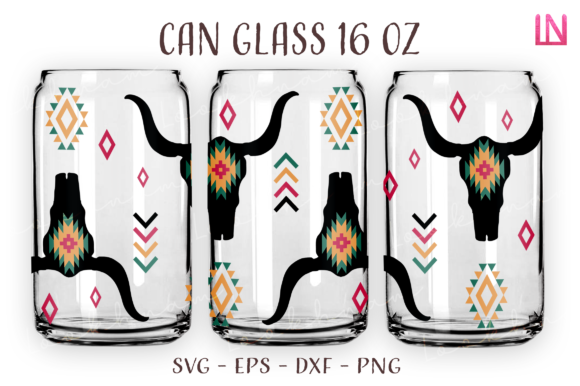
Embroidery designs often carry a story, and Cowboy Bull Skull, 16 Oz Can Glass Wrap is no exception. As an experienced designer who’s worked with countless embroidery files for real-world projects, I take every design through a practical lens—how it looks, how it stitches, and what kind of finished product it supports. Let me walk you through my thoughts on this design after testing it in a few scenarios.
A Bold Western Statement
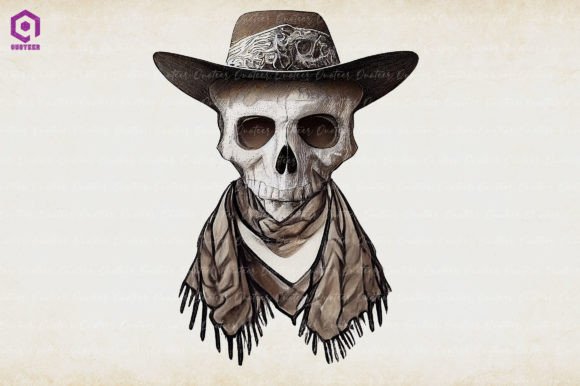
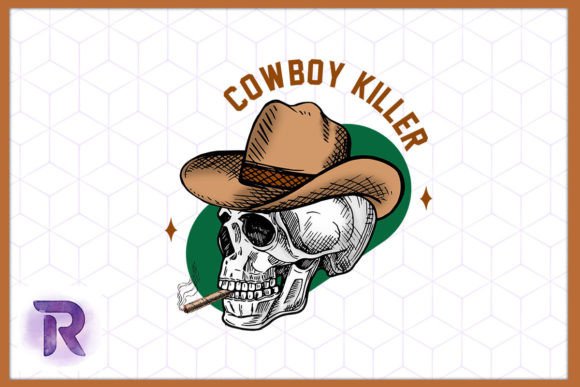
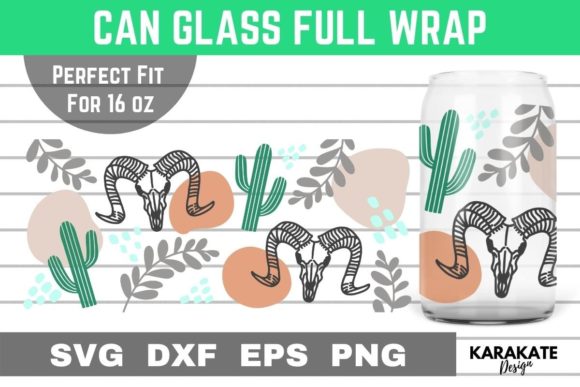
The first thing that caught my eye about the Cowboy Bull Skull design was its strong visual personality. It’s not subtle—it’s a full-on Western vibe with a touch of edginess. The skull is stylized but retains enough detail to feel authentic, while the bull elements are integrated cleverly without overpowering the central motif. This design makes a statement: rugged, cool, and just a little bit rebellious.
I imagined using it on a custom tote bag design for a client looking to start a line of western-themed accessories. The layout is centered, which gives it a balanced feel, and the high-resolution PNG file (with transparent background) made it easy to mock up on different color bases. It works well as a standalone graphic, but also has potential as part of a layered design set if paired with complementary elements like ropes or cacti.
Theme and Layout Considerations
The skull is dominant, so it's best suited for pieces where the design is the main focus rather than part of a busy composition. For example, it would make a great centerpiece for a sweatshirt embroidery or even a custom apron. But be careful—if your project already includes a lot of text or secondary graphics, this might overwhelm the overall look.
Performance in Real Projects
Let’s talk about stitch-out performance. When I tested the SVG file on a cotton blend sweatshirt using standard thread colors, the stitch density was just right—dense enough to hold shape and clarity, but not so tight that it caused puckering. The skull’s eyes and horns stitched cleanly, and the lines defining the facial features held up well under close inspection.
- Custom Apparel: This design fits naturally on hoodies, sweatshirts, and long-sleeve shirts. Its boldness stands out against light-colored fabrics, making it ideal for casual wear with a flair.
- Tote Bag Design: On a canvas tote, the design looked robust and had a premium finish. It added character without being too fussy.
- Embroidered Patch: The skull could work as a patch, especially if you’re creating a themed collection for a craft business or handmade product line. Just keep in mind that the corners need attention during cutting to ensure they don’t fray or lose definition.
- Commercial Embroidery: While the design is strong visually, always check whether the licensing allows for commercial use before selling products. That said, if approved, it can elevate small shop items or Etsy listings with a unique, recognizable style.
For holiday gifts, the skull could be paired with festive elements like stars or red ribbons. On a personalized baby item, though, it might be too intense unless softened with pastel threads and smaller scale. Still, there are ways to adapt it for more delicate applications, such as a tiny version on a baby hat.
Design Assets for Digital Sellers
If you're an Etsy seller or digital product creator, the included DXF, EPS, and PNG files give you flexibility. The transparent PNG is especially handy for showing off how the design would look on various surfaces, from glass wraps to fabric-based items. A printable mockup can help buyers visualize the final product before purchasing, boosting buyer engagement and customer trust.
As for design assets, the vector formats mean you can scale them up or down without losing quality. However, when shrinking the design for small patches or caps, some fine details may get lost. Always inspect those areas carefully and consider simplifying the design if needed.
Where Caution Is Needed
While the embroidery file is versatile, there are a few areas where I’d advise caution:
- Small Hoop Sizes: The design is relatively large and intricate. If you're working with limited space, you’ll need to resize it thoughtfully and possibly remove or simplify certain parts.
- Textured Fabrics: Stitching on denim or twill can cause shadows or texture variation that might affect the clarity of the skull’s lines.
- Thin or Stretchy Fabric: These materials can distort the shape slightly, especially around the corners. Use a stabilizer to prevent stretching and maintain sharp angles.
- Dark Backgrounds: Thread color contrast becomes crucial here. White or metallic threads will stand out more effectively than pastels. Test a black-and-white version first to see how the design reads on darker fabric.
- Curved Surfaces: If you plan to stitch this onto a cap or curved surface, adjust the design to follow the contours or expect some distortion at the edges.
- Frequent Washing: Because the design uses multiple fill stitches and some running stitch details, frequent washing could lead to loosening over time. Recommend a sturdy fabric and proper backing if planning for reusable items like tea towels or aprons.
Thread Color Suggestions
My favorite thread combination was black outlines with white fill for a stark, modern look. For a vintage feel, I tried tan and brown tones on a dark gray sweatshirt, and it gave the piece a rustic charm. Be sure to test your chosen thread colors on a scrap piece of your intended fabric. Lighting can change how the design appears, especially in online previews or photos.
Practical Designer Notes
Before committing to a production run or adding this to your Etsy store, here are a few things I recommend doing:
- Test the design on a scrap fabric similar to what you'll be using for the actual project.
- Review the stitch density settings to avoid puckering, especially on stretchier or thinner materials.
- Confirm the hoop size required for your machine. Some machines have limitations that aren't obvious until you try stitching.
- Inspect small details like the nostrils or the skull’s jawline to ensure they won’t disappear when scaled down.
- Create a black and white mockup to evaluate contrast before choosing thread colors.
- Compare how the design looks on both light and dark fabric backgrounds to gauge versatility.
- Use the appropriate stabilizer for your material—especially important for lightweight or stretchy fabrics.
- Check whether the design is suitable for both personal and commercial embroidery use. Licensing terms aren’t provided, so always verify before selling finished items.
Handmade Presentation and Branding
What I love most about this design is how it elevates a simple handmade product into something memorable. It adds a sense of professionalism and purpose, especially for small shop product branding. If you're running a boutique or craft fair, a design like this can become a signature element across your range—whether it’s printed on packaging or stitched onto items like aprons or pillow covers.
It also has giftability potential. Think of a custom personalized gift with the skull embroidered alongside a name or date. The design’s strength and symbolism can speak volumes, especially for customers who appreciate Western motifs or want something unique for a holiday or special occasion.
Final Thoughts
Cowboy Bull Skull, 16 Oz Can Glass Wrap isn’t just another design—it’s a conversation starter. Whether you're creating a one-of-a-kind embroidered patch for a client or preparing digital embroidery files for resale, this design offers a solid foundation. It’s bold, adaptable, and has enough depth to feel handcrafted, yet clean enough to fit into modern aesthetics.
That said, don’t let the excitement of a striking design overshadow the importance of preparation. Every good embroidery project starts with thoughtful testing and consideration of the end-use environment. So take the time to understand how this design interacts with your materials, your brand identity, and your customer expectations.
With the right approach, Cowboy Bull Skull can become a standout in your craft business lineup, adding value and recognition to your finished product. Just remember—while the design is strong, it’s your skill and judgment that turn it into something truly remarkable.