Not Today Cowboy Not Today Embroidery Review
As a designer who spends more time than I care to admit staring at stitch density charts and testing thread tension, I approach every new digital asset with a healthy dose of skepticism. The market is flooded with clip art that looks great on a screen but falls apart under the needle. That is why I take my time evaluating files before committing them to client projects or listing them in my own shop. Today, I am putting Not Today Cowboy Not Today through its paces. This design, categorized under Crafts and Graphics, promises a bit of western flair with a modern, sassy twist. But does it hold up when translated from pixels to thread? Let’s dig into the practical realities of using this design for real-world embroidery.
First Impressions: Mood and Visual Personality
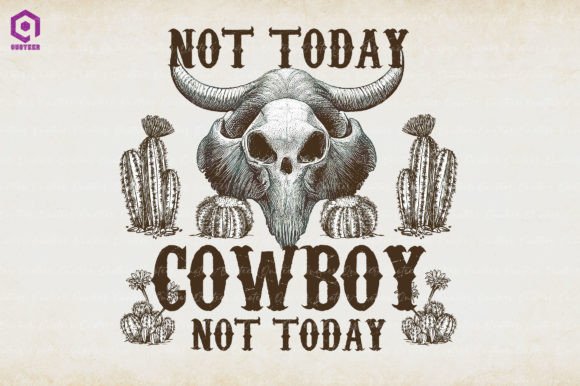
The moment you load the file, the attitude comes through loud and clear. The phrase "Not Today Cowboy Not Today" suggests a mood that is both humorous and relatable. It taps into the popular aesthetic of vintage western wear mixed with contemporary sarcasm. Visually, the layout feels balanced, which is crucial for embroidery. Unlike some designs where text is crammed too tightly together, this one seems to have breathing room. The theme leans heavily into retro vibes, making it an excellent candidate for anyone looking to add personality to their handmade products.
For those of us creating custom apparel or boutique items, this kind of visual personality is gold. It isn’t just a generic cowboy hat; it has a voice. When I previewed the design, I immediately thought about how it would look on a heather grey sweatshirt or a cream-colored tote bag. The contrast potential is high, and the shapes appear clean enough to stitch without becoming a muddy mess. However, as any experienced embroiderer knows, what looks good in a JPEG can tell a different story once the stabilizer is applied and the hooping begins.
Real-World Application: Where This Design Shines
I like to test designs by imagining specific end-products. For Not Today Cowboy Not Today, my first scenario was a custom embroidered tote bag for a craft fair. Tote bags are staple items for Etsy sellers and small business owners, offering a large, flat canvas that allows the design to breathe. The western theme pairs beautifully with natural fabrics like canvas or cotton duck. I imagined stitching this in bold, saturated colors to make it pop against a neutral background. The result would be a statement piece that customers grab not just for utility, but for the humor and style it conveys.
Another strong use case is custom baby clothing. There is a massive market for personalized gifts, and a subtle, well-executed version of this design could work wonderfully on a onesie or a burp cloth. The playful tone fits perfectly with modern parenting aesthetics that favor wit over traditional sweetness. Similarly, for holiday embroidery, this design could serve as a unique gift tag or a decorative element on a kitchen towel. It moves beyond the typical holiday motifs and offers something fresh for buyers looking for non-traditional decor.
When considering commercial embroidery projects, such as branded merchandise for a local rodeo team or a western-themed cafe, this design adds a layer of professionalism while keeping things fun. It works well for embroidered patches that can be ironed onto denim jackets or caps, allowing for a versatile application that appeals to a wide demographic.
Technical Considerations and Potential Pitfalls
No design is perfect, and Not Today Cowboy Not Today is no exception. Before you run this through your machine, you need to consider where it might struggle. Small hoop sizes are often the enemy of detailed text. If you attempt to shrink this design down to fit a tiny patch or a delicate baby item, you risk losing the clarity of the lettering. Satin stitches on thin fonts can merge together if they are too close, turning words into illegible blobs. I strongly advise checking the stitch density carefully. If the design relies heavily on dense fill stitches for the background elements, ensure your fabric can support it without puckering.
Fabric choice is another critical factor. Textured fabrics like heavy tweed or loose-weave linen can distort the fine details of the design. Stretchy fabrics, such as jersey knits used for t-shirts, require extra stabilization to prevent shifting. If you are working with dark fabric, you will need to select thread colors that provide sufficient contrast; otherwise, the design will get lost in the material. Curved surfaces, like baseball caps, present their own challenges. While the design might look flat on a screen, wrapping it around a curved brim requires precise digitizing to avoid distortion.
Additionally, be mindful of decorative accents. If the design includes intricate borders or small graphical elements, inspect them closely. Tiny running stitches can break easily during washing, especially on items that see frequent use. For finished products that need to withstand regular laundering, simplicity often wins out over complexity. Always test the design on scrap fabric first to see how the threads interact with your chosen material.
Practical Tips for Embroidery Designers
- Test on Scrap Fabric: Never trust a digital preview alone. Stitch the design out on the actual fabric you plan to use. This reveals issues with tension, thread pull, and color contrast that screens cannot show.
- Check Thread Colors: Experiment with different thread palettes. A vintage-inspired palette might enhance the retro feel, while bright neon threads could give it a modern streetwear vibe.
- Review Stitch Density: High-density areas can cause bulkiness. If you are designing for lightweight garments, consider reducing the density or simplifying the fill stitches.
- Confirm Hoop Size: Ensure the design fits comfortably within your standard hoop sizes. Avoid designs that are too wide for common hoops unless you plan to re-hoop, which increases the risk of misalignment.
- Inspect Small Details: Zoom in on the digital file. Are there tiny lines or dots that might not stitch cleanly? Simplify these elements if necessary to ensure a crisp finish.
- Black and White Mockups: View the design in grayscale to check contrast levels. This helps ensure legibility regardless of the thread colors you choose.
- Stabilizer Selection: Use the appropriate stabilizer for your fabric type. Cut-away stabilizers are generally better for stretchy or heavy fabrics, while tear-away works well for wovens.
- Licensing Check: Before selling finished items or digital products, confirm the licensing terms. Some graphics allow personal use only, while others permit commercial sales. Protect your business by understanding the rights attached to the file.
Final Verdict on Visual Appeal and Value
Ultimately, Not Today Cowboy Not Today brings a distinct character to the table. It enhances the visual appeal of handmade products by adding a touch of humor and style that resonates with today’s consumers. For craft business owners and Etsy sellers, this design offers a ready-made solution for creating engaging listings and attractive printable mockups. It elevates the perceived value of simple items like aprons or pillow covers, turning them into desirable gifts.
However, success depends on execution. The design must be handled with care, respecting the limitations of embroidery technology. By paying attention to stitch quality, fabric compatibility, and proper finishing techniques, you can transform this graphic into a professional-grade embroidered product. Whether you are making personalized gifts for friends or building a brand identity for your small shop, this design has the potential to be a standout asset. Just remember to do your homework, test thoroughly, and let the quality of your craftsmanship speak for itself.