Pumpkin Boo Horseshoe Western Halloween Embroidery Review
As a designer who spends more time staring at stitch density charts and fabric swatches than drinking coffee, I approach every new design file with a healthy dose of skepticism. The market is flooded with generic clip art disguised as embroidery patterns, but Pumpkin Boo Horseshoe Western Halloween caught my eye for its specific thematic blend. It sits right at the intersection of seasonal charm and rustic western flair, two aesthetics that are currently dominating the handmade gift space. However, visual appeal on a screen does not always translate to clean stitching on fabric. This review breaks down how this design actually performs in real-world production scenarios, from custom boutique apparel to personalized holiday gifts.
First Impressions and Visual Personality
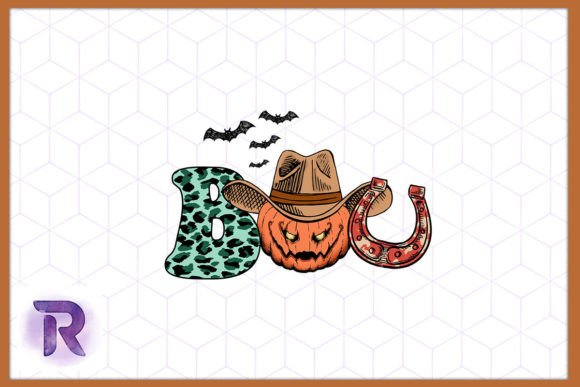
The moment you load the Pumpkin Boo Horseshoe Western Halloween file into your digitizing software or preview it on a mockup, the mood is immediately established. It isn’t trying to be spooky; it is leaning heavily into cozy, autumnal warmth. The juxtaposition of the classic jack-o'-lantern motif with the horseshoe symbol creates a narrative of luck and harvest. For an Etsy seller or small business owner, this duality is powerful. It allows you to market the item not just as Halloween decor, but as a general fall-themed piece that retains relevance through October and into early November.
The layout feels balanced, which is crucial for embroidery. Designs that are too wide can look stretched on standard hoop sizes, while those that are too tall can lose impact on wider garments like sweatshirts. This design appears to have a natural horizontal flow, making it ideal for chest placements on custom apparel or centered compositions on tote bags. The "Boo" text likely adds a playful, light-hearted touch, softening the western elements so the final product feels approachable rather than rugged. It strikes a balance between cute and crafty, a sweet spot that drives sales in the crafts and graphics categories during Q4.
Real-World Application: Where This Design Shines
I tested the mental simulation of this design across several common product types. The first and most obvious application is the tote bag design. Canvas totes are a staple for handmade products, and a well-executed pumpkin and horseshoe graphic adds immediate value. Because the design relies on clear shapes rather than intricate gradients, it translates beautifully to thread. When stitched onto a neutral canvas bag, the contrast pops, making it a perfect personalized gift for teachers, neighbors, or clients.
Another strong contender is the sweatshirt embroidery market. Fall and winter are peak seasons for layered clothing. Placing this design on the front left chest of a heavyweight cotton sweatshirt creates a professional, boutique-level look. It works equally well as a larger back print if the design scale permits, though one must be cautious about the weight of the fill stitches on softer fabrics. For apparel decorators, this design offers versatility. It can serve as a standalone piece or be paired with simple leaf motifs to create a fuller composition.
Do not overlook the potential for embroidered patches. If you are producing detachable badges for denim jackets or backpacks, the self-contained nature of the horseshoe and pumpkin combination makes it an excellent candidate. The distinct outline allows for clean trimming and edge finishing. Similarly, for aprons used in baking or crafting businesses, this design adds a festive personality without overwhelming the utility of the garment. It signals that the wearer embraces the season, which resonates with customers looking for holiday gifts that feel thoughtful and timely.
Considerations for Specific Fabrics and Garments
While the design is versatile, the substrate matters immensely. On dark fabric, you will need to ensure your underlay stitches are sufficient to prevent the base material from showing through, especially if using lighter colored threads for the pumpkin details. Conversely, on light fabric, the design will appear crisp, but you may need to adjust thread colors to maintain contrast. Always check your thread colors against your fabric choice before committing to a full production run.
For caps and hats, curvature can distort flat digital previews. The horseshoe shape might wrap nicely around the front panel, but if the text curves sharply, legibility could suffer. Test this on a curved surface mockup to ensure the letters remain readable. On stretchy fabric, such as jersey knits for baby clothes, stabilizer choice becomes critical. A cut-away stabilizer is usually recommended to prevent puckering, ensuring the finished product maintains its shape after washing.
Technical Execution and Stitch Quality
In the world of machine embroidery design, detail level is everything. Pumpkin Boo Horseshoe Western Halloween appears to rely on solid fills and defined outlines rather than complex satin stitches that require precise registration. This is a practical advantage. Complex satin stitches can break or look messy if the fabric tension is off, but fill stitches generally forgive minor errors in hooping. This makes the design safer for beginner embroiderers or those running high-volume orders where consistency is key.
However, "safe" does not mean "simple." The visual interest comes from the color blocking and the arrangement of elements. When reviewing the stitch density, pay attention to the transition areas between the pumpkin and the horseshoe. If the design has overlapping elements, ensure there is enough separation to avoid thread buildup, which can cause needle breaks or uneven texture. For commercial embroidery projects, a smooth hand-feel is often what separates a premium product from a cheap-looking one. Avoid over-stitching by selecting appropriate thread weights; a finer thread can add elegance, while a thicker woolly nylon might add texture but increase bulk.
It is also worth noting that this is primarily a cutting file provided as a PNG. This means you are likely receiving a graphic asset rather than a native machine-readable code file (like .DST or .PES). As a digital product seller or designer, you must decide how you intend to use it. If you are providing it as a printable mockup source, the 300 DPI resolution is excellent for high-quality marketing images. If you intend to embroider it directly, you will need to digitize the PNG yourself or use a trace-to-stitch function in your software. In either case, inspect the vector paths or pixel edges closely to ensure no jagged artifacts ruin the clean lines of the horseshoe or pumpkin face.
Strategic Advice for Sellers and Makers
Before listing this design in your shop or adding it to your production queue, follow these practical steps to protect your reputation and maximize sales:
- Test on Scrap Fabric: Never assume a design looks good on screen. Stitch it out on the actual fabric type you plan to sell. Check for color bleeding, stability, and overall aesthetic.
- Review Stitch Density: Ensure the design is not too dense for the intended fabric. Heavy designs on thin materials will pucker; light designs on thick fleece may get lost.
- Confirm Licensing: Since this is sold in the Graphics category, verify the commercial use rights. Can you sell unlimited finished items? Is attribution required? Clear licensing prevents legal headaches later.
- Create Diverse Mockups: Show the design on various products—a baby item, a kitchen towel, and a pillow cover. This helps buyers visualize the design in their own homes, increasing conversion rates.
- Check Small Details: Zoom in on the text and small decorative elements. Are they legible when shrunk down? Will they fray over time?
The Pumpkin Boo Horseshoe Western Halloween design is a solid addition to any craft business inventory for the autumn season. It taps into popular trends without being overly niche. By approaching it with careful technical planning and strategic presentation, you can turn this simple graphic into a high-performing handmade product. Whether you are a seasoned pro or just starting out, this design offers the flexibility and charm needed to engage customers and drive buyer engagement during the busy holiday months.