Retro Halloween Cowboy Sublimation Review
As a designer who spends half my life staring at digitized files and the other half troubleshooting stitch errors, I don’t just look at an image—I look at how it translates to thread. When Retro Halloween Cowboy Sublimation landed on my desk, I didn’t see just another holiday graphic. I saw a potential bestseller for the upcoming craft season, but I also saw a minefield of technical challenges that could ruin a finished product if not handled with care. This isn’t just about aesthetics; it’s about whether this design holds up under the tension of a hoop and the friction of a needle.
First Impressions: Mood and Visual Personality
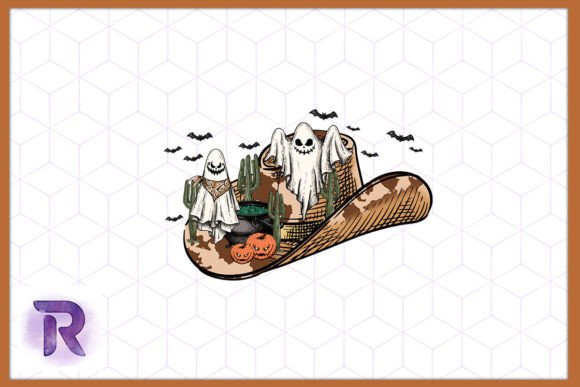
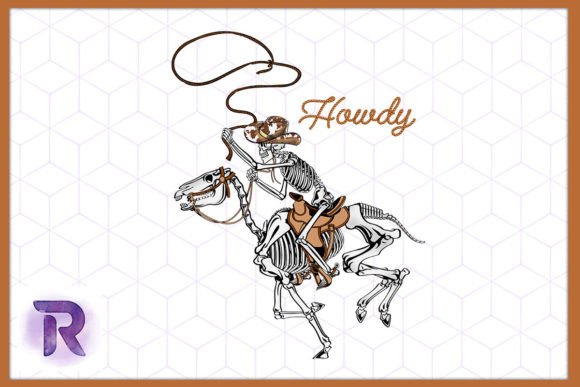
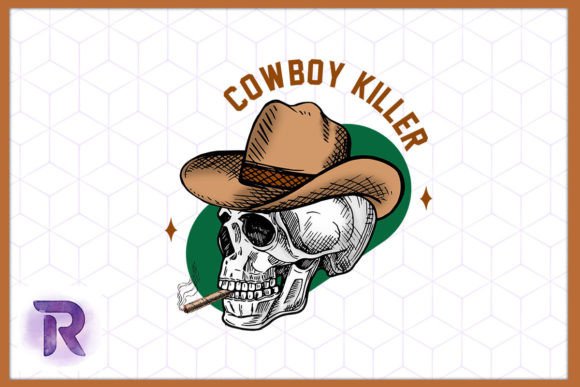
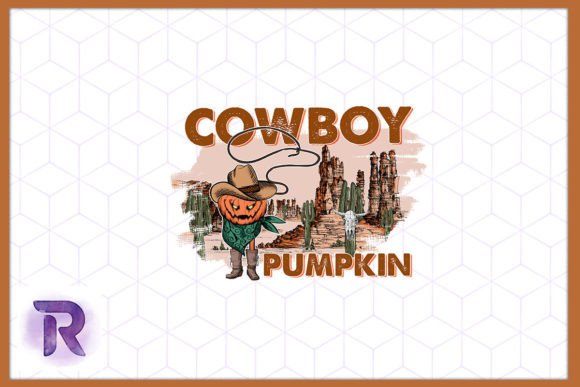
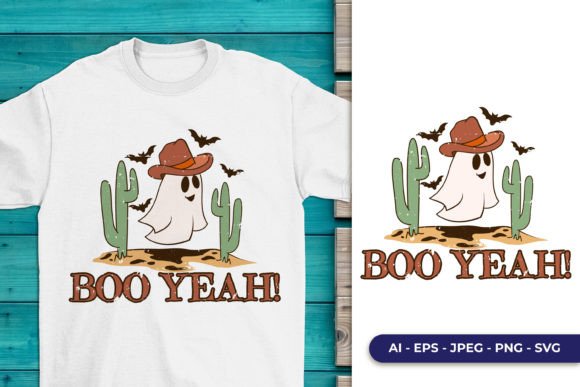
The immediate draw of Retro Halloween Cowboy Sublimation is its distinct nostalgic vibe. It captures that specific mid-century illustration style where Halloween feels whimsical rather than scary. The cowboy motif adds a rugged, Americana twist that stands out in a sea of generic pumpkins and ghosts. For an embroidery project, this personality is crucial. It tells a story before the customer even reads the tagline.
Visually, the layout is balanced, which is a designer’s dream. However, "retro" often implies simplified shapes, and in embroidery, simplicity can sometimes read as empty space if the stitch work isn’t robust. The illustration relies on strong silhouettes, which generally translate well to machine embroidery design techniques. But we need to talk about the details. Does the cowboy hat brim have enough definition? Are the Halloween elements distinct enough from the background? These are the questions that determine if your handmade product looks professional or amateurish.
Real-World Application: Where This Design Shines
I put Retro Halloween Cowboy Sublimation through a mental stress test across several common use cases. Here is where I believe it will perform best:
- Custom Apparel & Sweatshirt Embroidery: This design screams fall and winter fashion. Placing it on the chest of a heavyweight cotton sweatshirt creates an instant boutique feel. The retro theme pairs perfectly with heather gray or olive green fabrics, offering a subtle contrast that doesn’t scream "cheap holiday merch."
- Tote Bag Design: Canvas tote bags are a staple for Etsy sellers. The sturdy fabric provides a stable base for stitching, allowing the fill stitch areas to pop without pucker. A centered placement on a natural canvas bag gives the design room to breathe.
- Embroidered Patch: If you sell digital assets or physical patches, this works beautifully as a standalone icon. The cowboy silhouette is recognizable even at smaller sizes, making it ideal for backpacks, denim jackets, or kids' hats.
- Kitchen & Home Decor: Tea towels and aprons are underrated markets. The playful nature of the design fits a farmhouse-style kitchen. Just ensure the stitch density is appropriate so the towel remains soft to the touch.
For the craft business owner, these categories represent high-volume, low-complexity opportunities. Customers trust designs that feel curated, and Retro Halloween Cowboy Sublimation has that curated, vintage-shop charm.
Technical Challenges and Risk Areas
Not every surface is created equal, and Retro Halloween Cowboy Sublimation has specific areas where it might struggle. As an experienced reviewer, I must warn you about the following scenarios:
- Small Hoop Sizes: If you attempt to digitize or stitch this into a very small hoop (under 4x4 inches), you risk losing critical details. The texture of the cowboy’s shirt or the folds in the Halloween element may turn into muddy blobs. Always check the minimum viable size before committing to production.
- Textured and Stretchy Fabrics: While canvas is forgiving, jersey knits or heavily textured bouclé fabrics are risky. On stretchy fabric, the satin stitch edges might distort, causing the design to look wavy or misshapen. If you’re working with thin fabric, you absolutely need a high-quality stabilizer to prevent puckering.
- Dense Stitch Areas: Retro illustrations often use heavy shading. If the stitch density is too high, the fabric underneath can become stiff and uncomfortable, especially on baby clothes or lightweight tees. Test the hand-feel of the final product. If it feels like cardboard, you need to reduce the density or switch to fewer thread colors.
- Curved Surfaces: Caps and beanies present a challenge. While possible, stitching a complex illustration like this on a curved brim requires advanced hooping techniques. Misalignment here is obvious and can lead to returns.
Design Judgment: Value and Customer Perception
Why does this matter? Because in the world of small shop products, perception is reality. A clean, well-executed embroidery file builds brand consistency. When a customer sees Retro Halloween Cowboy Sublimation stitched neatly on a premium hoodie, they perceive higher value. They are willing to pay more because the craftsmanship looks intentional.
Conversely, poor execution kills trust. If the running stitch lines are jagged or the color transitions are harsh, the design looks cheap. This is why I always advise testing in black and white mockups first. It strips away the distraction of color and forces you to evaluate the shape and balance of the artwork. Does the cowboy stand out against the background? Is the negative space used effectively?
For digital product sellers, showcasing this design correctly is key. Your printable mockups should highlight the texture of the thread. Show close-ups of the satin stitch edges to prove quality. This transparency boosts buyer engagement and reduces hesitation.
Practical Designer Notes for Implementation
Before you hit the start button on your machine, follow this checklist to ensure success with Retro Halloween Cowboy Sublimation:
- Test on Scrap Fabric: Never run a full production batch without a test stitch-out. Use the exact fabric and stabilizer combination you plan to sell with.
- Check Thread Contrast: Ensure your chosen thread colors provide enough contrast against your fabric. Light thread on light fabric disappears; dark thread on dark fabric vanishes. For this retro theme, muted tones or classic blacks/whites often work best.
- Inspect Small Details: Zoom in on the digitized file. Are there any tiny, isolated stitches that might break during trimming? Simplify if necessary.
- Confirm Licensing: This is non-negotiable. Before selling commercial embroidery items or design assets, verify the license terms. Some graphics allow personal use only, while others permit commercial sales of finished goods. Do not assume.
- Compare Backgrounds: Test the design on both light and dark backgrounds. The mood changes significantly depending on the canvas. A dark background might make the retro colors pop, while a light background might offer a cleaner, more minimalist look.
Final Verdict
Retro Halloween Cowboy Sublimation is a strong candidate for the Q4 market. It hits the sweet spot between seasonal relevance and timeless style. It is versatile enough for apparel decorators and niche enough for creative entrepreneurs looking to stand out. However, its success depends entirely on your technical execution. Treat it with respect, manage your expectations regarding detail level, and prioritize quality over speed.
If you execute this well, you won’t just have a product; you’ll have a signature piece that customers recognize and return for. For the maker who values precision, this design offers a rewarding challenge that pays off in customer satisfaction. Just remember: the design is only as good as the stitching behind it.