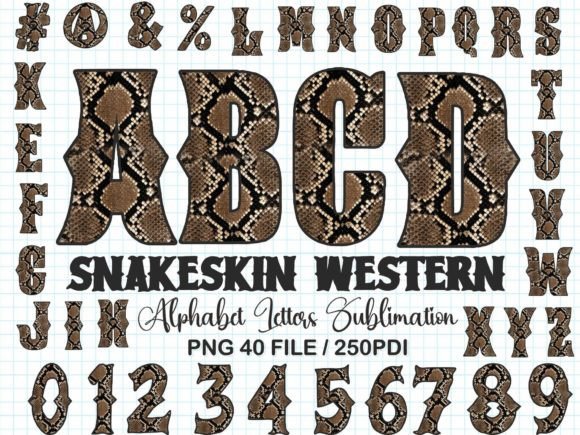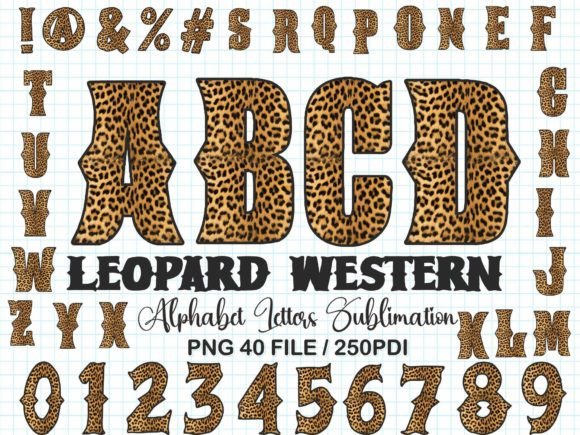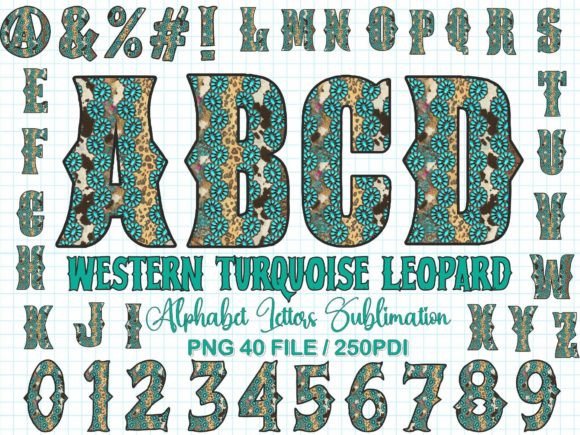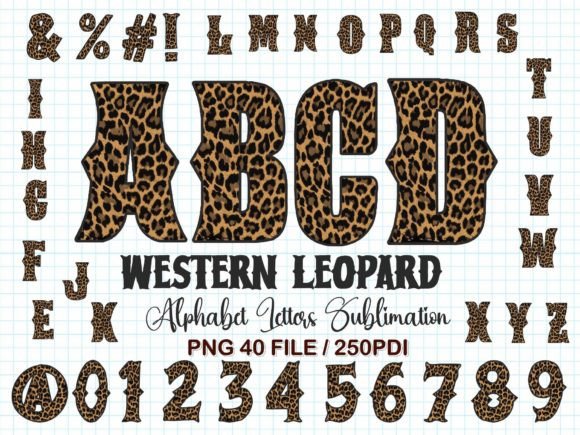
Western Cowhide Alphabet Sublimation Review
As a designer who spends half the day troubleshooting tension issues and the other half trying to sell finished goods, I don’t just look at an embroidery file; I look at the end product. When Western Cowhide Alphabet Sublimation landed on my desk, my first thought wasn’t about the file format—it was about the vibe. It screams rustic chic, boutique branding, and that specific "Instagram-ready" aesthetic that drives sales for small business owners. But does it hold up under the needle? Can it survive the wash cycle of a busy craft fair season? Let’s break down this design from the perspective of real-world application.
The First Impression: Mood and Visual Personality
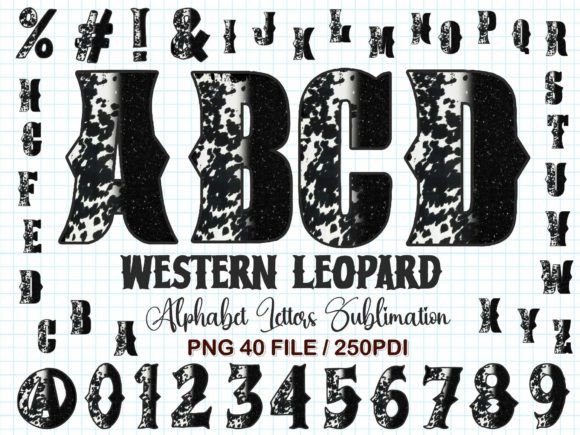
The moment you open the transparent background PNG, the personality of the design hits you. It isn’t just a font; it’s a texture. The Western Cowhide Alphabet Sublimation captures the chaotic, organic beauty of animal print without feeling cluttered. For designers, this is crucial. A lot of "cowhide" designs try too hard to be realistic, resulting in muddy stitch work that looks like gray blobs when embroidered. This one strikes a balance between a doodle style and a structured alphabet, making it versatile enough for everything from nursery decor to rugged apparel.
The visual weight is perfect for mid-sized projects. It feels substantial but not heavy. If you are looking to create a handmade product that stands out on a rack, this design offers immediate recognition. It taps into the enduring popularity of western themes while keeping a modern, playful edge thanks to the rounded, friendly letterforms. It’s the kind of design that makes a customer stop scrolling and think, "I need that on my baby blanket."
Real-World Application: Where This Design Shines
I tested the concept of using Western Cowhide Alphabet Sublimation across several common embroidery project categories. Here is where it truly excels:
- Custom Apparel and Sweatshirts: There is nothing quite like a chunky knit sweatshirt paired with bold, textured lettering. This design works beautifully as a chest logo or a large back print. The contrast between the soft fabric and the crisp, graphic nature of the letters creates a high-end look that justifies a higher price point in your Etsy listings.
- Baby and Nursery Items: This is perhaps its strongest suit. The slightly doodled feel keeps it from being too masculine or aggressive. Imagine a onesie or a burp cloth with a child’s initial in this cowhide style. It fits perfectly into the "modern farmhouse" nursery trend. As a personalized gift, it feels thoughtful and curated rather than mass-produced.
- Tote Bag Designs: Canvas totes are a staple for any craft business. Using this alphabet for monograms adds a touch of flair that plain satin stitch letters lack. It breaks up the monotony of solid colors and adds visual interest that customers love to see in printable mockups.
- Embroidered Patches: Because the design has such strong definition, it translates well to patches. Whether you are making morale patches for outdoor enthusiasts or decorative badges for denim jackets, the cowhide pattern provides excellent camouflage-style aesthetics that read clearly even from a distance.
Technical Considerations and Stitch Clarity
While the visual appeal is high, we must talk about execution. The description notes that this is a digital embroidery file available as a 300 dpi PNG, which allows for resizing. However, as an experienced reviewer, I have to warn you about the limitations of converting raster images to vector-based embroidery stitches.
The intricate details of the cowhide pattern can pose challenges if the stitch density is set too high. If you cram too many stitches into the small spaces of the "doodle" lines, the fabric will pucker, and the machine may thread jam. Conversely, if the density is too low, the pattern will look sparse and lose its character. You need to carefully evaluate the stabilizer choice. For stretchy fabrics like t-shirt material, a cut-away stabilizer is non-negotiable to prevent distortion. For stable fabrics like canvas or cotton twill, a tear-away might suffice, but always test first.
Thread color selection is also critical. The cowhide effect relies on contrast. Using standard black and white threads might look flat. I recommend experimenting with off-whites, creams, or even two-tone blends to mimic the natural variation of hide. This attention to detail elevates your finished product from a hobbyist craft to a professional small shop product.
Where to Use With Caution
No design is universal, and Western Cowhide Alphabet Sublimation has its limits. Avoid using this on extremely small hoop sizes. If you are attempting to embroider a tiny initial on a delicate lace item, the cowhide texture will become indistinguishable noise. Similarly, steer clear of thin or highly textured fabrics like bouclé wool, where the needle penetration might cause puckering or the fabric bulk might obscure the design.
Curved surfaces, such as baseball caps, require careful hooping and possibly a curved-hooping attachment. While the design is flexible, complex curves can distort the letter shapes if not stabilized properly. Additionally, be mindful of dark fabrics. The transparent background means you will need to use a light-colored backing or underlay to make the design pop. On dark fabric, you might find yourself wasting time and thread on excessive underlay stitches just to get the base layer correct.
Practical Designer Notes for Success
Before you rush to produce a batch of commercial embroidery items, follow these practical steps to ensure quality:
- Test on Scrap Fabric: Never go straight to the final garment. Run the design on the exact fabric type you plan to sell. Check how the fabric texture interacts with the stitch pattern.
- Check Thread Contrast: View your design in black and white mode in your software. This helps you judge the contrast levels without the distraction of color. Ensure the cowhide details remain distinct.
- Review Hoop Size: Confirm that your intended placement fits within your machine’s maximum hoop dimensions. Resize the graphics appropriately before digitizing or importing.
- Inspect Small Details: Zoom in on the smallest loops of the cowhide pattern. Are they clean? Do they need simplification? Sometimes, removing minor details improves the durability of the final piece.
- Confirm Licensing: Since this is a digital asset, verify the commercial use rights. If you plan to sell the physical products, ensure you have the proper license to use the design assets for merchandise.
Final Verdict
Western Cowhide Alphabet Sublimation is a standout addition to any crafts enthusiast’s library. It bridges the gap between trendy aesthetics and functional design. It is particularly well-suited for Etsy sellers and creative entrepreneurs looking to add a unique twist to personalized gifts and custom apparel. By paying attention to stitch density, fabric choice, and thread contrast, you can transform this simple alphabet into a premium-looking embroidery file that delights customers and builds brand loyalty. It’s not just a font; it’s a mood, and when executed well, it’s a powerful tool in your design arsenal.