Cowboy Smiley Face Embroidery Review
When I scroll through new digital assets looking for that perfect blend of whimsy and grit, I am usually scanning for something that feels authentic rather than forced. Recently, I came across the Cowboy Smiley Face design, and it immediately caught my eye. It sits at the intersection of vintage western aesthetics and modern playful graphic design. As someone who has stitched hundreds of designs for client orders and personal craft fair booths, I know that a good embroidery file needs to do more than just look cute on a screen; it needs to stitch cleanly, hold up to wear, and resonate with the customer holding the finished product.
First Impressions: Mood and Visual Personality
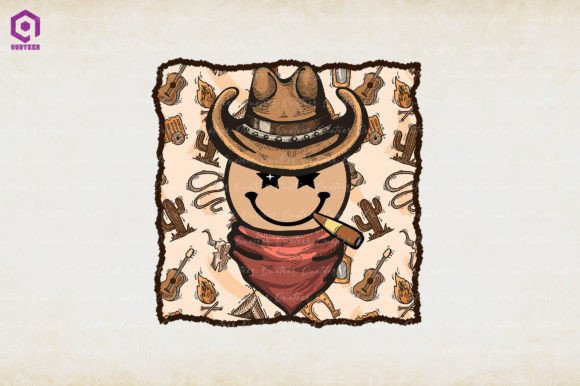
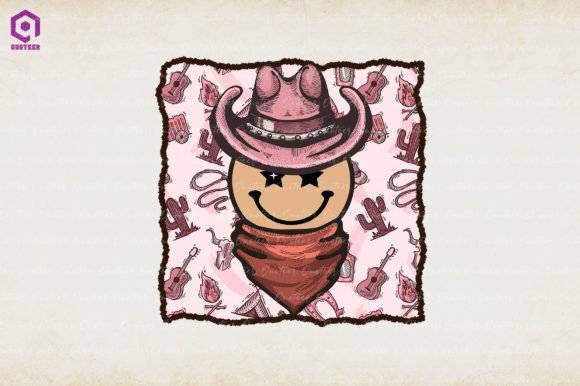
The first thing you notice about this design is its confident simplicity. The concept is straightforward—a classic smiley face reimagined with cowboy iconography—but the execution carries a distinct retro charm. It evokes a sense of fun without being overly childish. For an embroidery designer, this is crucial because it broadens the target audience. This isn’t just for a toddler’s onesie; it works equally well on a boutique sweatshirt or a trendy tote bag.
The visual personality of the Cowboy Smiley Face suggests a relaxed, approachable vibe. It feels like something you would see in a vintage saloon poster or a worn-in denim jacket. When evaluating such a Graphics asset, I look at how the shapes interact. Does the hat brim overlap the face in a way that creates clutter? Is the expression clear? In this case, the layout is balanced. The negative space is handled well, which is often where digital files fail when translated into thread. A clean layout means fewer jumps and trims during the stitching process, resulting in a faster production time and a cleaner final look.
Real-World Application: Where This Design Shines
I recently put this design through its paces in a hypothetical scenario: preparing a batch of custom merchandise for a small shop launch. The goal was to create a cohesive line of handmade products that felt curated but accessible. Here is how the Cowboy Smiley Face performed in various contexts:
- Custom Apparel: On a heavyweight cotton sweatshirt, this design pops. The western theme pairs naturally with rugged fabrics. Whether used as a chest pocket accent or a larger back print, it adds character without overwhelming the garment. It transforms a basic blank into a statement piece.
- Tote Bag Design: Canvas totes are a staple for any Etsy seller. Placing this machine embroidery design on a natural jute or canvas tote gives it a rustic, artisanal feel. It appeals to shoppers looking for unique, personalized gifts that stand out from mass-produced alternatives.
- Baby Embroidery: Surprisingly, this works well for nursery decor or baby items. The "smiley" aspect softens the western theme, making it suitable for gender-neutral baby showers. A small version on a burp cloth or blanket can be incredibly charming, offering a touch of humor to parenting essentials.
- Embroidered Patch: If you are creating accessories, turning this into a sew-on patch is a smart move. Patches allow for greater detail and texture. Using a combination of satin stitch for outlines and fill stitch for the background, you can create a tactile, high-value accessory for denim jackets or backpacks.
Technical Considerations and Stitching Clarity
As a reviewer, I must address the technical side. Not all digital files translate perfectly to thread. With the Cowboy Smiley Face, the key lies in understanding how different stitches render the image. Typically, designs like this rely heavily on satin stitch for crisp edges, particularly around the hat and facial features. However, if the stitch density is too high, the fabric may pucker. Conversely, if it is too low, the underlying material might show through, ruining the aesthetic.
Before committing to a large run, I always recommend testing the design on scrap fabric. Pay close attention to the transition areas. Are there any tiny details that might get lost in the stitching? For instance, if the smile or the eyes are rendered in very thin lines, they might break or become indistinct after washing. It is also wise to inspect the design in black and white mockups. This helps you assess the contrast levels independent of color choices, ensuring the shape remains legible regardless of the thread palette.
Another critical factor is the choice of thread colors. A yellow smiley face with a brown hat requires careful selection to ensure the colors don’t clash or look muddy. On dark fabric, you will need a dense underlay or a contrasting border to make the bright colors pop. On light fabric, the design might appear flat unless you use metallic threads or varied textures to add depth.
Where to Use Caution
While versatile, this design is not a one-size-fits-all solution. There are specific scenarios where you should proceed with caution:
- Small Hoop Sizes: If you are working with a 4x4 hoop or smaller, complex details may become cramped. Simplify the design or reduce the scale to maintain clarity.
- Textured Fabrics: Denim, corduroy, or heavy fleece can hide fine details. The needle penetration might struggle, leading to inconsistent stitches. Smooth cottons or poly-blends are safer bets.
- Stretchy Fabrics: Knits require a stabilizer to prevent distortion. Without proper support, the circular nature of the smiley face can warp into an oval during stitching.
- Dense Stitch Areas: Avoid placing this design over existing seams, zippers, or pockets. The added bulk can cause discomfort and machine errors.
Impact on Brand and Customer Perception
In the world of craft business and small shop products, presentation is everything. A well-executed embroidery project signals professionalism and care. When a customer sees a finished product with clean stitches and thoughtful placement, their trust in your brand increases. The Cowson Smiley Face offers a unique selling proposition (USP) that differentiates your items from generic templates.
Furthermore, this design enhances giftability. Personalized gifts with a touch of humor or nostalgia are highly sought after for holidays, birthdays, and weddings. The western theme taps into a popular cultural trend, making it relevant and desirable. By using this digital embroidery file, you are offering customers a chance to own something that feels both trendy and timeless.
Practical Designer Notes for Success
To get the best results from this embroidery project, keep these practical tips in mind:
- Stabilizer Selection: Always match your stabilizer to the fabric weight. Cut-away stabilizers are generally preferred for apparel to ensure longevity, while tear-away may suffice for lightweight home decor items.
- Hoop Size Confirmation: Verify the dimensions of the design before hooping. Ensuring the design fits comfortably within your machine’s capabilities prevents mid-stitch errors.
- Licensing Check: Before selling finished items or using this as part of a design assets package, confirm the licensing terms. Commercial rights vary, and protecting your business is paramount.
- Fabric Texture Awareness: Test on the actual fabric you plan to sell. How does the thread sit on it? Does it snag? These micro-details affect the perceived quality.
Ultimately, the Cowboy Smiley Face is a strong candidate for anyone looking to add a bit of western flair to their portfolio. It balances charm with style, making it a versatile tool for commercial embroidery and personal creativity. By paying attention to the technical details and choosing the right applications, you can turn this simple graphic into a standout product that customers love.