Reviewing Cowboy Heythere for Embroidery Projects
When I browse new digital assets, I am rarely looking for just another generic graphic. As a designer who stitches for both personal gifts and small business clients, I need to know if a design has soul, clarity, and commercial viability. Recently, I came across Cowboy Heythere, a design that markets itself with a vintage, retro Western aesthetic. It claims to include PNGs and sublimation files, which immediately raised my eyebrows as an embroidery specialist. My goal here is to strip away the marketing fluff and evaluate Cowboy Heythere strictly from the perspective of how it performs on fabric, in the hoop, and in the hands of a customer.
The First Impression: Mood and Visual Personality
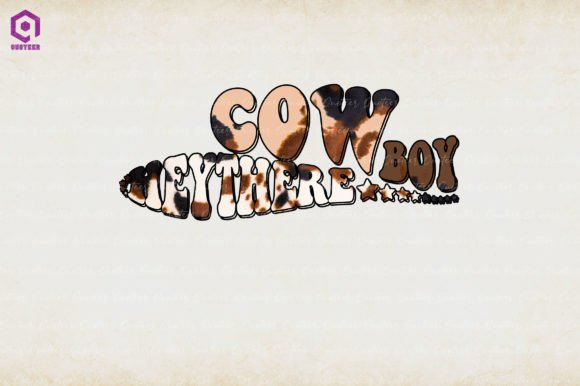
The moment you open the file associated with Cowboy Heythere, the vibe is unmistakable. It leans heavily into the "retro" and "vintage" categories mentioned in its description. This is not a modern, minimalist geometric shape; it is character-driven. The typography feels hand-lettered or distressed, evoking the feeling of an old saloon sign or a weathered billboard. For a crafter or Etsy seller, this mood is gold. It taps into the enduring popularity of Western wear, cowboy culture, and rustic home decor.
Visually, the design creates a sense of friendly familiarity. The phrase "Heythere" softens the ruggedness of the cowboy theme, making it approachable rather than aggressive. This balance is crucial for a successful embroidery project. If it were too rugged, it might alienate buyers looking for nursery decor or baby gifts. If it were too cutesy, it would lose the authentic Western appeal. Cowboy Heythere sits comfortably in the middle, making it versatile enough for a wide range of audiences, from cowgirls to dads who love the outdoors.
Real-World Application: Where Does It Shine?
I have spent the last few weeks testing various designs in my studio, and Cowboy Heythere naturally gravitates toward specific product categories. Because of its text-heavy nature combined with thematic imagery, it works exceptionally well on items where the message is part of the brand identity.
- Custom Apparel: This design is perfect for sweatshirt embroidery or t-shirts. Imagine a cream-colored sweatshirt with a slightly faded black thread application. The retro aesthetic pairs beautifully with heavyweight cotton fabrics often used in boutique streetwear.
- Personalized Gifts: The friendly greeting makes it an ideal candidate for a personalized gift. Whether it is a welcome gift for a newborn boy or a retirement present for a rancher, the design carries emotional weight. It feels like a hug from a friend, which increases the perceived value of the handmade product.
- Home Decor: I see this performing well on kitchen towels, aprons, and pillow covers. A tea towel with Cowboy Heythere stitched in earth tones (mustard, rust, olive) adds instant charm to a farmhouse-style kitchen. It transforms a basic utility item into a statement piece.
- Accessories: Caps and hats are natural homes for Western themes. However, placement is key here. A centered chest logo or a side-panel script can work, but the curvature of the hat must be considered during digitizing.
Technical Considerations for Embroidery Designers
As a reviewer, I must address the technical reality. The product description mentions "Cowboy png," "Western png," and "Western Sublimation." This indicates that the primary files provided are likely raster images (PNGs) intended for printing or sublimation, not necessarily native machine embroidery files (.dst, .pes, etc.). This is a critical distinction. If you are buying this as a digital embroidery file, you must verify if vector or stitch data is included. If you only receive PNGs, you will need to trace or digitize the design yourself to use it for machine embroidery.
Assuming the design is digitized properly, several factors come into play regarding stitch density and detail. Retro designs often rely on textures—fades, cracks, and grain. In embroidery, these effects are achieved through stitch density and color changes, not just line art. If the original graphic is too thin, it may break down when converted to thread. I recommend checking the hoop size requirements carefully. Designs with intricate lettering require a stable hoop area to prevent puckering.
Thread selection is equally important. To capture the vintage feel, avoid overly bright, synthetic colors. Instead, opt for muted, heathered threads that mimic aged fabric. A dark navy thread on a light grey shirt, or a burnt orange on a white canvas tote, will bring out the design assets' intended personality. Using high-gloss, neon threads will ruin the retro illusion instantly.
Where to Use It Carefully
Not every surface is suitable for Cowboy Heythere. There are specific scenarios where this design might fail:
- Small Hoop Sizes: If the design includes fine details or long stretches of text, trying to fit it into a 4x4 inch hoop without scaling down significantly can result in cramped stitching. Ensure the stitch density remains breathable.
- Stretchy Fabrics: While it looks great on structured denim or heavy cotton, applying it to thin, stretchy jersey knits without proper stabilizer support can lead to distortion. The tension of the thread may cause the fabric to pucker over time.
- Curved Surfaces: When placing this on caps or bags with significant curves, the perspective can distort the lettering. Test the layout on a mockup before committing to the final garment.
- High-Wear Areas: Avoid placing dense fill stitches directly on elbows or knees of clothing, as friction will wear down the threads faster than the surrounding fabric.
Impact on Brand and Customer Trust
For Etsy sellers and small shop owners, the presentation of your product is half the battle. A well-executed Cowyer Heythere design signals professionalism. It shows that you understand aesthetic trends and can deliver a polished finished product. Customers associate clean stitching and appropriate thread choices with quality craftsmanship. Conversely, a poorly digitized version can make even a talented maker look amateurish.
This design also enhances brand consistency. If your shop focuses on rustic, western, or handmade goods, having a signature phrase like "Heythere" allows you to create a cohesive collection. You can vary the colors and backgrounds while keeping the core design element recognizable. This repetition builds trust and makes your shop memorable.
Practical Designer Notes Before You Stitch
Before you rush to produce a batch of craft business items using Cowboy Heythere, follow these essential steps:
- Test on Scrap Fabric: Always run a test stitch on the exact fabric type you plan to sell. Different materials react differently to thread tension and stabilizer types.
- Check Contrast: Evaluate the design in black and white. If the contrast between the thread and the fabric is too low, the details will get lost. High contrast ensures readability from a distance.
- Inspect Small Details: Zoom in on the digitized file. Are there any tiny isolated stitches that might break? Are the corners of letters sharp enough? Refine these areas if necessary.
- Confirm Licensing: Since the description mentions a ZIP file containing graphics, explicitly check the license terms. Can you sell finished physical products? Can you use it in commercial embroidery projects? Understanding these rights protects your business from legal issues.
- Use Proper Stabilizer: Depending on the fabric weight, choose between cut-away or tear-away stabilizers. For heavy items like tote bags, a cut-away stabilizer provides lasting support.
Final Verdict
Cowboy Heythere is more than just a cute graphic; it is a versatile asset that can elevate a simple craft project into a desirable commodity. Its retro charm and friendly tone make it suitable for a wide array of applications, from baby embroidery to holiday embroidery gifts. However, success depends entirely on execution. By paying attention to thread choice, fabric stability, and licensing, designers and sellers can turn this digital asset into a profitable, beautiful embroidery project. Just remember to verify the file formats provided and ensure you have the right tools to translate those PNGs into stunning thread art.