Western Cactus Pattern Png File, Western
As a designer who spends half the day troubleshooting tension issues and the other half curating aesthetic assets for clients, I approach every new digital download with a healthy dose of skepticism. The market is flooded with generic clipart, but finding a design that actually translates well into physical embroidery requires more than just a pretty picture. It requires structural integrity, clear visual hierarchy, and a mood that resonates with the end user. That is exactly why I decided to put Western Cactus Pattern Png File, Western through its paces. This isn’t just about looking at a screen; it’s about imagining how those pixels will behave under the needle of an embroidery machine.
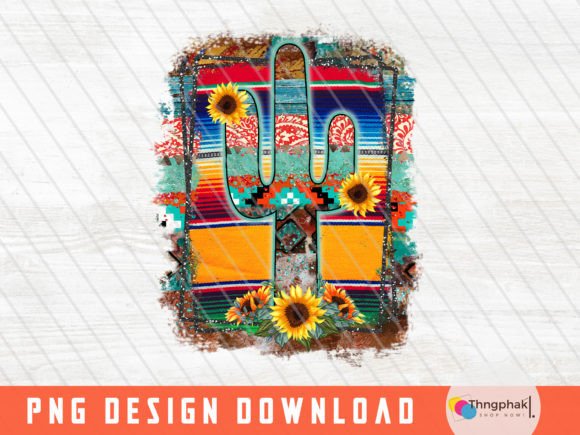
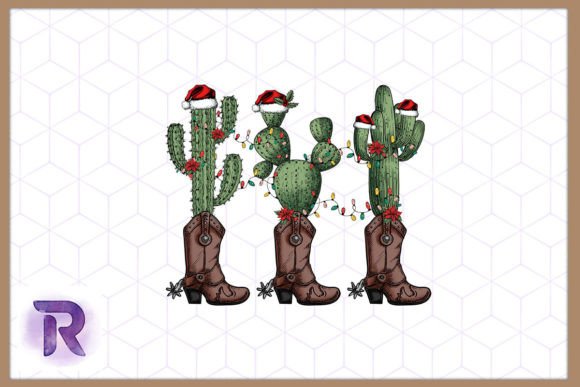
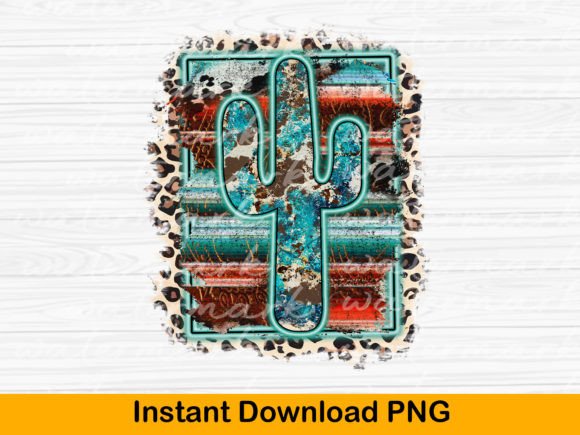
The immediate first impression of this asset is one of relaxed, rustic charm. The description highlights "watercolor png" and "cow print png," which suggests a soft, organic feel rather than a rigid, geometric vector look. For an embroidery project, this is crucial. A watercolor-style cactus pattern implies softer edges and blended tones, which can be challenging to replicate in thread if not planned correctly. However, when executed well, it adds a level of sophistication and warmth that standard satin stitches often lack. It feels like something you would find in a boutique home goods store or on a high-end Etsy listing for handmade nursery decor. The visual personality is distinctively Southwestern yet approachable, making it versatile enough for various demographics.
Real-World Application: From Screen to Stitch
To truly evaluate the utility of Western Cactus Pattern Png File, Western, we have to move beyond the digital preview and imagine it on actual products. Let’s say you are preparing a custom order for a client who wants a personalized gift for a baby shower. This design shines in that context. Imagine a soft, cream-colored muslin onesie or a swaddle blanket featuring a subtle, embroidered cactus motif. The "cow print" element mentioned in the file description could be integrated as a background texture or a complementary accent, adding a playful touch that appeals to modern parents who want something unique beyond the standard animal prints.
Alternatively, consider the craft fair scene. You are setting up a booth selling handmade aprons and kitchen towels. A tote bag design featuring this cactus pattern, perhaps paired with a simple running stitch border, would catch the eye of customers looking for farmhouse-style home goods. The key here is product value. When a customer sees a well-executed embroidery design that looks intentional and cohesive, their perception of the item's worth increases. They aren't just buying a towel; they are buying a piece of art that fits their lifestyle. This design has that potential. It feels curated, not mass-produced.
For small business owners and Etsy sellers, the versatility of this file is a significant asset. It works beautifully for custom apparel, such as sweatshirts or denim jackets, where the western theme aligns perfectly with current fashion trends. The "sublimation" tag in the description also hints at its potential for all-over prints, though for traditional machine embroidery, focusing on placement designs within a standard hoop size is usually the safest bet for beginners. Whether you are creating holiday embroidery gifts or seasonal decor, this design offers a timeless aesthetic that doesn't feel tied to a fleeting trend.
Technical Considerations and Design Judgment
While the artistic merit is clear, a professional review must address the technical realities of execution. Not all designs translate equally well to thread. With a watercolor png source, the biggest challenge is maintaining clarity during the stitching process. If the design relies heavily on fine gradients, you might lose detail when converting it to a digital embroidery file. Therefore, it is essential to inspect the small details closely before starting production. Look for areas where the lines might become muddy or where the stitch density could cause puckering.
This brings us to the importance of fabric choice. Western Cactus Pattern Png File, Western performs best on stable, medium-weight fabrics. Think cotton canvas for tote bags, heavy cotton blends for aprons, or fleece for cozy sweatshirts. Avoid using this design on thin, stretchy fabrics or highly textured materials like bouclé wool without proper stabilization. Stretchy fabrics can distort the shape of the cactus, turning a neat design into a wavy mess. Similarly, dark fabrics require careful consideration of thread colors. If the original PNG has light pastel tones, you will need to choose contrasting threads to ensure the design pops against the dark background.
Another critical factor is the hoop size. Before committing to a large production run, test the design on scrap fabric first. Check if the dimensions fit comfortably within your machine’s hoop capabilities. If the design is too large, you may need to split it across multiple hoops, which introduces registration challenges. Conversely, if it is too small, intricate details like the "cow print" accents might get lost. Using a proper stabilizer is non-negotiable. For lightweight fabrics, a tear-away stabilizer provides necessary support, while cut-away stabilizers are better for items that will undergo frequent washing, ensuring the longevity of the finished product.
Where to Exercise Caution
There are specific scenarios where this design might not be the ideal choice. For instance, if you are working on curved surfaces like baseball caps, the flat nature of a typical cactus pattern might not follow the contour of the hat naturally. In such cases, a smaller, more compact applique design might be preferable. Additionally, avoid placing this design on garments that require frequent, high-heat washing unless you are confident in your thread quality. While most embroidery threads are durable, complex multi-color designs can sometimes show wear faster than simple monochrome logos.
Also, consider the end-user’s aesthetic. If your target audience prefers minimalist, modern design, the busy nature of a patterned cactus combined with cow print elements might feel too cluttered. This design is best suited for customers who love eclectic, bohemian, or rustic styles. Understanding your niche helps you position the product effectively. For example, marketing this as part of a "Southwestern Nursery Collection" for baby embroidery projects creates a strong narrative that resonates with buyers.
Final Verdict for Creative Entrepreneurs
In conclusion, Western Cactus Pattern Png File, Western is a solid addition to any designer’s library, particularly for those specializing in home decor, apparel, and personalized gifts. Its strength lies in its ability to evoke a specific mood—relaxed, creative, and slightly whimsical—that appeals to a broad range of consumers. However, success depends on execution. Always check licensing terms before selling finished items or digital products. Ensure you have the right to use the design commercially, especially if you plan to list it on platforms like Etsy or Amazon Handmade.
For hobbyists, this is a fun project that yields a beautiful result. For professionals, it is a reliable asset that can help streamline your workflow and expand your product offerings. By testing thoroughly, choosing the right fabrics, and paying attention to stitch density, you can transform this digital file into a tangible, high-value product. Remember, the goal is not just to complete a project, but to create something that customers will cherish and display with pride. With the right approach, this cactus pattern can definitely deliver that impact.
- Best Uses: Tote bags, aprons, sweatshirts, nursery decor, and holiday gifts.
- Fabric Recommendations: Cotton canvas, fleece, and stable blends.
- Key Tip: Test on scrap fabric to verify stitch clarity and color contrast.
- Avoid: Thin, stretchy fabrics and highly textured materials without stabilization.