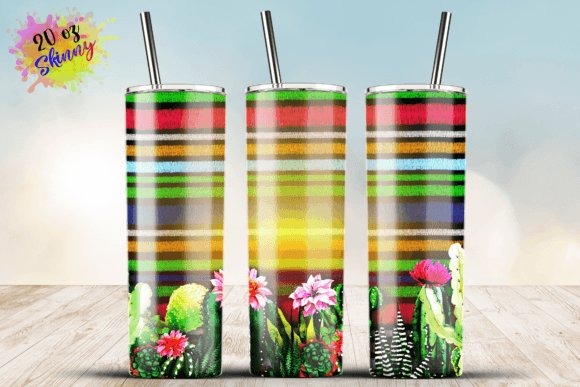
Western Cactus Tie Dye Serape 20oz Wrap
When I approach a new digital embroidery file for review, my first instinct is to ask: does this design actually work on the hoop, or does it just look good in a flat JPEG? As a designer who has spent years evaluating assets for both personal projects and client work, I’ve learned that visual appeal is only half the battle. The other half is execution—how the stitches interact with fabric, how the colors pop under lighting, and whether the final product feels like a premium handmade product or a rushed quick-fix.
This week, I put the Western Cactus Tie Dye Serape 20oz Wrap through its paces. It falls squarely into the Crafts and Graphics categories, promising a vibrant, southwestern aesthetic mixed with modern tie-dye textures. My goal here isn’t just to tell you what it looks like, but to give you a practical breakdown of how it performs as a machine embroidery design, where it fits best in your shop, and what pitfalls to avoid when stitching it out.
First Impressions and Visual Personality
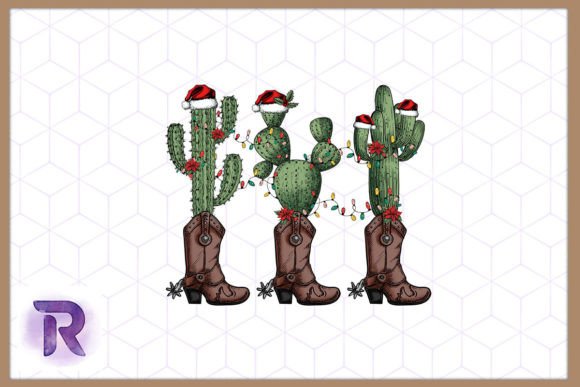
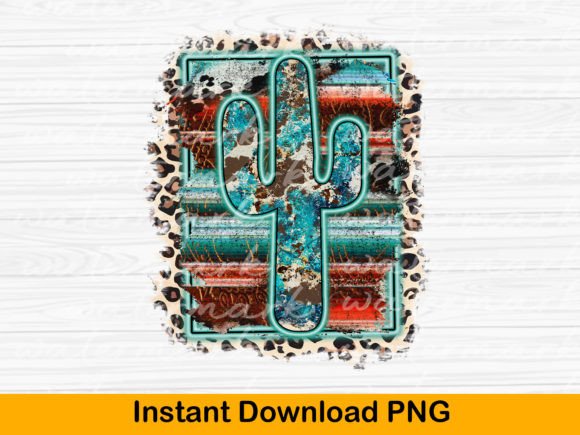
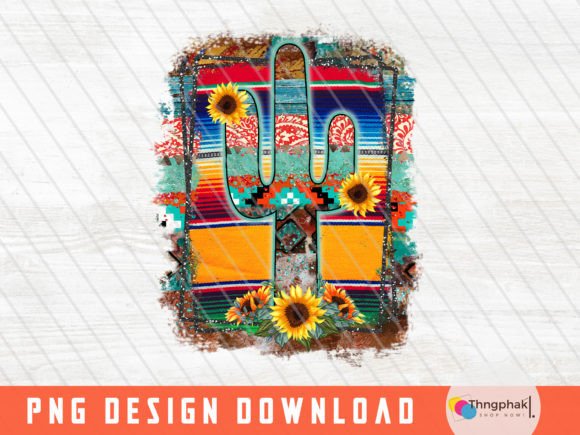
The moment I opened the preview files for the Western Cactus Tie Dye Serape 20oz Wrap, the mood was immediately clear: eclectic, bohemian, and highly energetic. The concept blends traditional western motifs—specifically the cactus—with the fluid, organic shapes of a serape blanket rendered in a tie-dye pattern. This is a smart combination because it bridges two distinct customer bases: those who love rustic, cowboy-inspired decor and those drawn to trendy, festival-style aesthetics.
From a layout perspective, the design feels balanced. It doesn’t scream for attention; instead, it invites the eye to explore the details. The tie-dye elements suggest movement, which translates surprisingly well into embroidery when executed correctly. However, this also presents the biggest challenge for any embroidery project involving gradients or soft color transitions: stitch density and thread choice. If the stitch density is too high, the tie-dye effect can turn muddy. If it’s too low, the underlying fabric might show through, ruining the illusion of a soft, blended pattern.
Real-World Application: A Case Study
To truly test this design, I didn’t just look at it; I imagined it on actual products. Let’s say you are an Etsy seller preparing for the holiday season. You want to create a line of personalized gifts that stand out without requiring hours of complex manual labor. The Western Cactus Tie Dye Serape 20oz Wrap caught my eye for a custom embroidered tote bag design intended for a boutique brand focused on outdoor festivals or music events.
I visualized placing this design on a natural canvas tote. The earthy tones of the cactus would contrast nicely against the neutral background, while the tie-dye serape adds a splash of color that draws the eye. For a custom apparel angle, I considered a heavy-weight sweatshirt embroidery project. The western theme pairs perfectly with denim jackets or oversized hoodies, creating a cohesive "festival ready" look.
Another strong use case is nursery decor. The cactus motif is popular in modern boho nurseries. Using this as a personalized gift for a baby shower—perhaps stitched onto a burp cloth or a small blanket—could be a hit. The key here is scale. On a smaller item like a tea towel or a pillow cover, the details need to remain crisp. If the design is too intricate for a small hoop size, the tie-dye swirls might lose their definition, making the finished product look cluttered rather than artistic.
Performance on Different Fabrics and Surfaces
Not all fabrics play nice with every design, and the Western Cactus Tie Dye Serape 20oz Wrap is no exception. Because the design features varied textures (the solid lines of the cactus vs. the softer flow of the tie-dye), it requires careful fabric selection.
- Stable Woven Fabrics: Cotton, linen, and canvas are ideal. These materials provide the stability needed to keep the satin stitch edges clean and prevent puckering. For a tote bag design, this is your safest bet.
- Stretchy Knits: If you plan to use this on a t-shirt or a cap, you must use a proper stabilizer. Stretchy fabrics can distort the circular or curved elements of the serape pattern. Without adequate support, the design may shift during stitching, leading to misaligned layers.
- Dark Fabrics: One thing to consider is thread contrast. If you stitch this on black or navy fabric, ensure your thread colors are bright enough to stand out. Dark backgrounds can sometimes mute the softer pastel tones often found in tie-dye patterns. Testing in black and white mockups before ordering thread is a wise move.
- Textured Fabrics: Avoid using this design on heavily textured materials like bouclé or thick fleece. The needle penetration required for the fill stitch areas might be inconsistent, leading to skipped stitches or uneven coverage.
Technical Considerations for Designers
As we dive deeper into the technical side, there are several factors that will determine whether your finished product looks professional or amateurish.
Thread Colors and Contrast: The success of a tie-dye simulation in embroidery relies heavily on thread selection. You’ll likely need multiple shades of the same hue to create depth. If the file includes applique design components, ensure you have the correct backing material to hide the cut edges. For fill stitch areas, varying the direction of the stitches can add texture, mimicking the irregular nature of dye absorption.
Hoop Size and Placement: Always check the recommended hoop size for this design. If the design is large, you may need to rotate it or split it across hoops, which can complicate the workflow. For smaller items like an embroidered patch or a cap front panel, make sure the design scales down well. Tiny details in the cactus spines or the serape fringe might become indistinguishable if the stitch count is too high for the available space.
Stabilizer Choice: This cannot be overstated. For a design with both dense fill areas and delicate running stitch accents, a cut-away stabilizer is often best for durability, especially for items that will be washed frequently, like aprons or kitchen towels. For temporary projects, a tear-away might suffice, but be gentle to avoid distorting the fabric around the running stitch borders.
Commercial Viability and Branding
For craft business owners and small shop product creators, the Western Cactus Tie Dye Serape 20oz Wrap offers strong commercial potential. It taps into current trends without being overly niche. It works well for:
- Holiday Embroidery: Unique gifts for birthdays, weddings, or seasonal celebrations.
- Boutique Branding: Adding a signature touch to private label clothing lines.
- Digital Product Previews: Use high-quality mockups to showcase the design’s versatility in your online store.
However, always confirm licensing terms before selling finished items. While the design assets themselves are digital, the rights to sell physical goods made from them vary by creator. Assuming standard personal-use licenses do not apply to commercial sales is a safe starting point unless explicitly stated otherwise.
Final Verdict
The Western Cactus Tie Dye Serape 20oz Wrap is a versatile, visually engaging design that rewards careful execution. It shines on stable fabrics like cotton and canvas, particularly for totes, sweatshirts, and home decor items. Its strength lies in its ability to blend rustic charm with modern flair, making it appealing to a broad audience.
My advice? Test it thoroughly. Stitch it out on scrap fabric, inspect the thread colors under different lighting conditions, and ensure the stitch density holds up over time. If you handle it with care, this design can elevate your embroidery project from simple decoration to a statement piece. Whether you’re a hobbyist looking to personalize a gift or an Etsy seller aiming to boost your commercial embroidery inventory, this file deserves a spot in your library.